The Episcopal Church
Welcomes You
The Episcopal Church
Welcomes You
Our Presiding Bishop
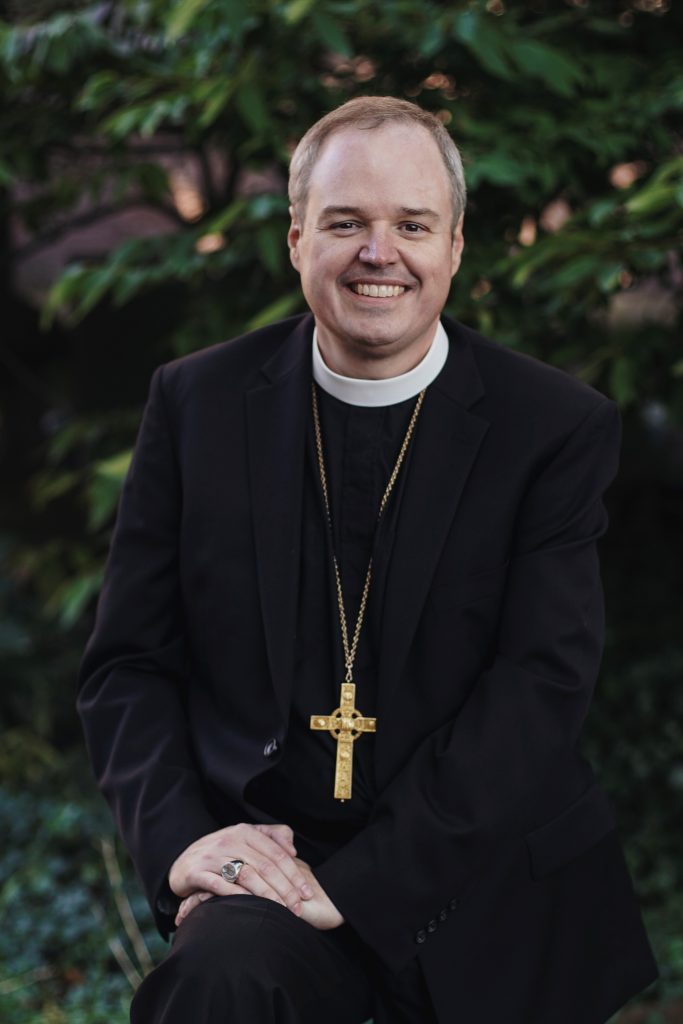
The Most Rev. Sean W. Rowe
28th Presiding Bishop & Primate
The Most Rev. Sean W. Rowe was elected presiding bishop and primate of The Episcopal Church in June 2024 and took office on Nov. 1 for a nine-year term. In this role, he serves as the church’s chief pastor and CEO. Known for his expertise in organizational learning and adaptive change, Rowe is committed to strengthening support for local ministry and mission.
He was ordained bishop of the Episcopal Diocese of Northwestern Pennsylvania in 2007 after serving as rector of St. John’s in Franklin, Pennsylvania, for seven years. From 2014 to 2018, he served as bishop provisional of the Episcopal Diocese of Bethlehem, and from 2019 to 2024, he led a partnership between the Episcopal Dioceses of Northwestern Pennsylvania and Western New York.
Rowe holds a bachelor’s degree in history from Grove City College, a Master of Divinity degree from Virginia Theological Seminary, and a doctorate in organizational learning and leadership from Gannon University. He has served as a leader of many civic and churchwide organizations and governance bodies, and as parliamentarian for the House of Bishops.
Our Family



 The Episcopal Church traces its origins through English Christianity, from Saint Alban in the third century through the Church of England planted in the colonies in the 1600s. The church is the American branch of Christianity in communion with the Archbishop of Canterbury (also known as the Anglican communion). It became a self-governing, autonomous province after the Revolutionary War. Today, there are about two million Episcopalians in the United States, and about eight million in the world.